Research is a pillar of public relations. There are others, but research is the first that should be learned by all PR professionals. It is the gears that help it begin turning. It is the key turn to start the ignition. It is opening your eyes to start your day. But enough metaphors. It is a vitally important thing to learn if one wishes to be successful in PR.
Along with being a “pillar” of PR as was previously mentioned, research has pillars of its own. A person, brand or company must ensure that the research they do is two things: reliable and valid. Doing so will prevent a slew of embarrassment for said person/brand/company when they are doing, say, a press release, for example. Making sure the sources gathered in the research for a press release are up-to-date, valid and reliable is arguably the most important thing a PR professional can do to prevent such embarrassment. The more one knows how to do so, the more one can prevent it from ever happening, so learning how to do research first before anything else is something a PR professional should prioritize when studying the field.
Research is “the systematic gathering, analyzing, and evaluating of data.” There are different types of research, obviously, but one can dumb it down to gathering raw, unfiltered data, analyzing what it means, and evaluating it to make it something anyone would be able to read and understand. The ability to do quality research would put anyone ahead of anyone else not as skilled in the area for a public relations job, any day. “Without research, professionals are… reduced to taking, at best, educated guesses regarding the problem…”, meaning that the people meant to conduct research at PR firms wouldn’t have any information to give. There would be no sources backing up claims, and all these firms would be doing is grasping at straws. Solid, reliable information is needed to give to the public, as people base their lives around this information. Again, vitally important to learn for a public relations professional.
There has never been a better time to learn such a trade than the era we are fortunate enough to live in now. With unlimited resources at one’s disposal, there is no longer an excuse not to do a thorough job of research, as well as do it in such a way that reflects quality for the person/brand/company you’re doing it for. It has never been easier to learn and then delve into the different aspects of a research project, such as the initial problem, the information needed to address the problem, how to state the results of your research on the problem, etc. To put it another way, “research is critical to establishing the goals and targets of a campaign and for measuring the outcome and whether the goals and targets have been met and how well.”
There are many important facets to research that one must know should they want to be good at it. It must be reliable as well as valid, or be learned in way that conveys quality over anything else so it becomes a valuable skill for the person learning it. The fact that we have multitudinous resources at our fingertips nowadays is a fact that should be realized and respected, and then one wanting to learn research should take great advantage of that fact. As Arthur Robinson from Varascope.com puts it, “Research is getting more evolved and sophisticated day by day and will be able to offer reliable solutions to PR problems.” It is more than a pillar of public relations; it is part of the foundation.
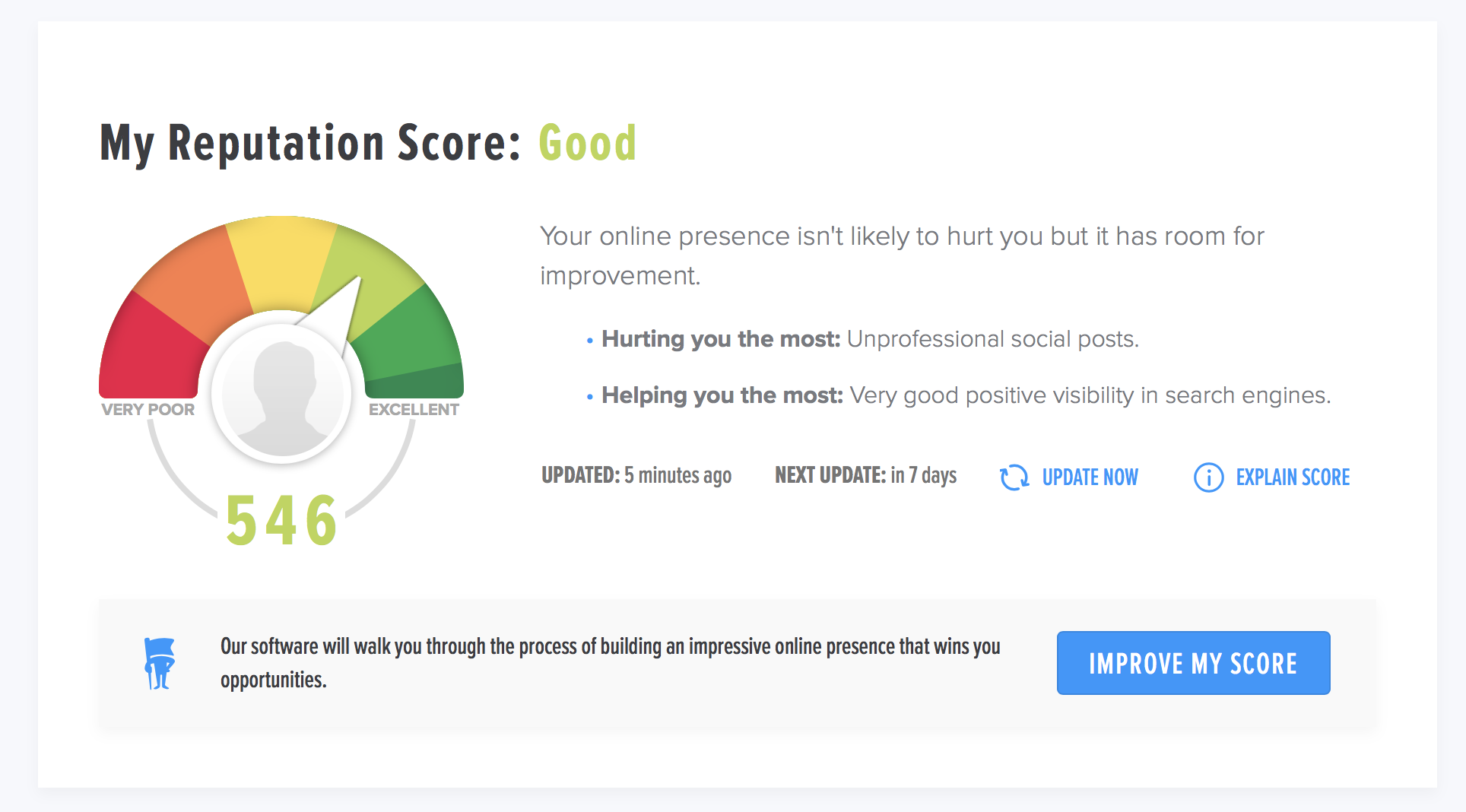

 Someone can start a business from the comfort of their own home, and gain clientele and customers without having to open their front door. Of course, meeting people in person is the tried-and-true way to connect on a personal level. A person 2000 miles away from you can only learn so much about you when all they’re seeing is your LinkedIn or Facebook profile. A flat screen can only give you so much.
 The stage of collaboration has more hidden behind the curtain. The aforementioned website Slack is a whole business built off of people in a whole different business communicating with one another. Messages can be exchanged and files can be shared in one platform. Google Drive is a way to work on a singular project with multiple people at once. A group of 10 can edit a Google Doc at one time, which can’t be said as easily for Microsoft Office, though they’re trying to keep up with Google’s share game.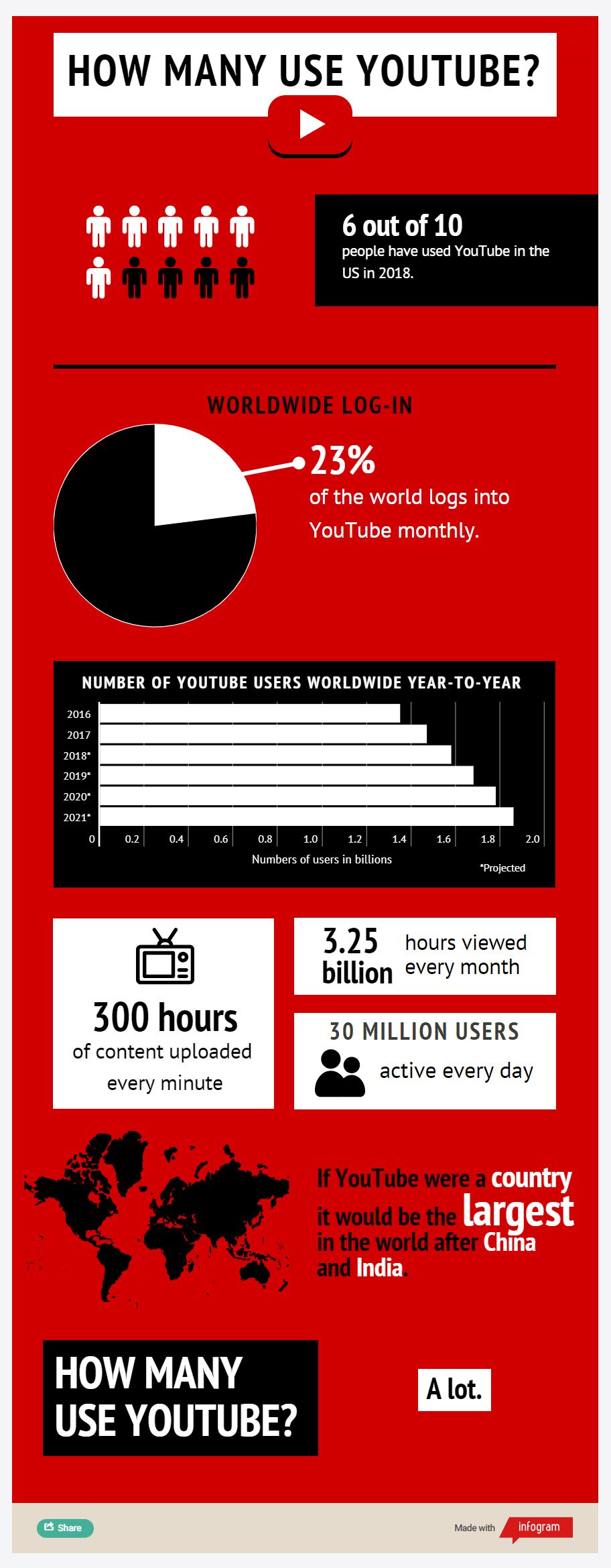
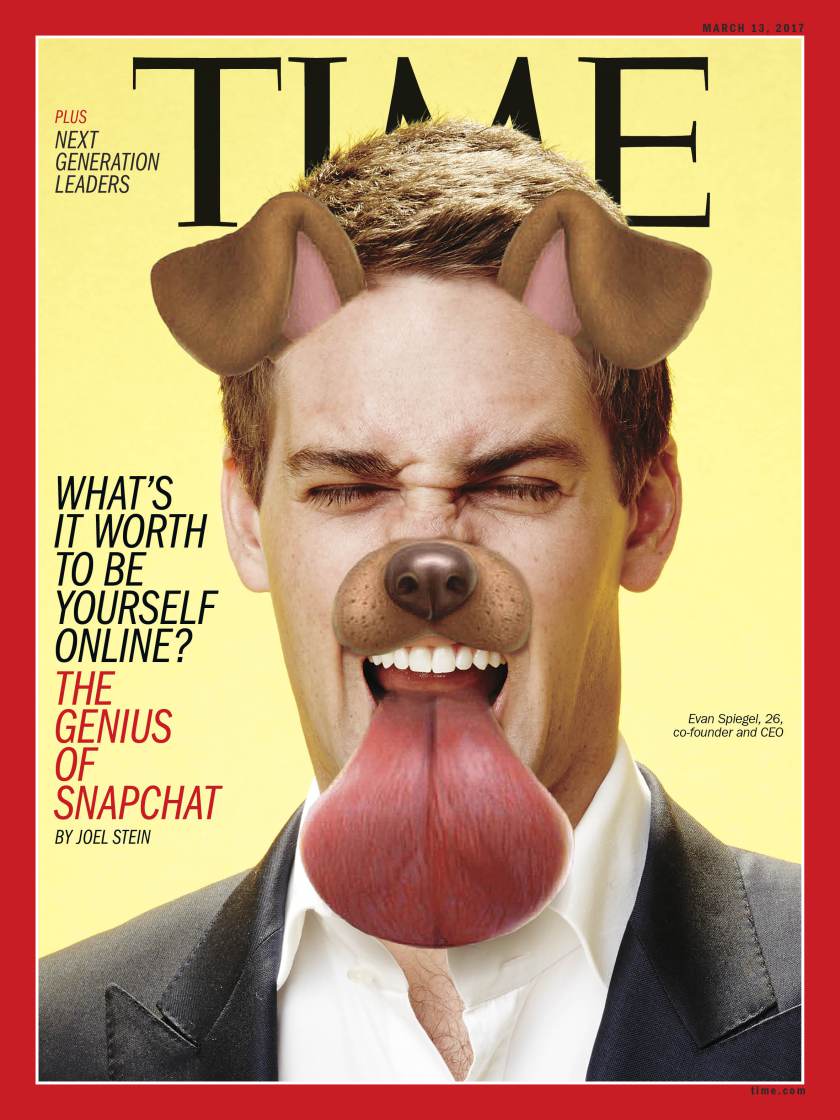
 Since social media is used in our everyday lives, clearly, it’s grown beyond that purpose. Who do you think developed all the platforms in the first place? Obviously there are people managing the apps day to day, and this work is most likely their full-time job. Since these companies are so huge, there are probably hundreds, maybe thousands of people who are paid a (relatively) fair wage to work at this company and provide for their family. Social media is not only in our lives, it is our lives. Without it, there would be many less jobs in the market today, or they would just be very, very different, definitely not as dependent on technology as they actually are now. It’s crazy just how and how much social media has been cemented in everyday society. Some people literally wouldn’t live without it.

 Grace Recla